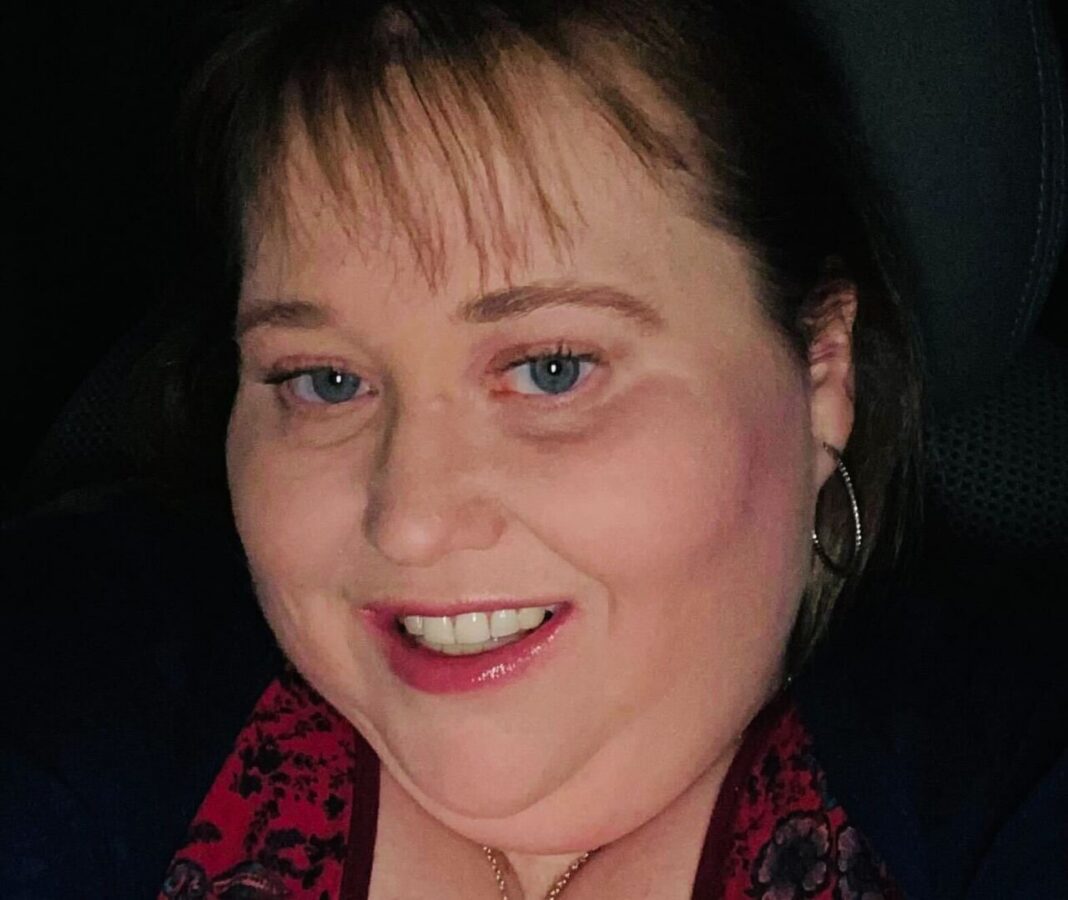
In July 2003, a 10-month-old boy named Abelardo Casiano died after suffering third-degree burns in a bathtub at a rented home in Austin, Texas. The home’s water heater lacked basic anti-scald technology, and the tap water reached 147.8 degrees Fahrenheit, hot enough to cause catastrophic burns within seconds.
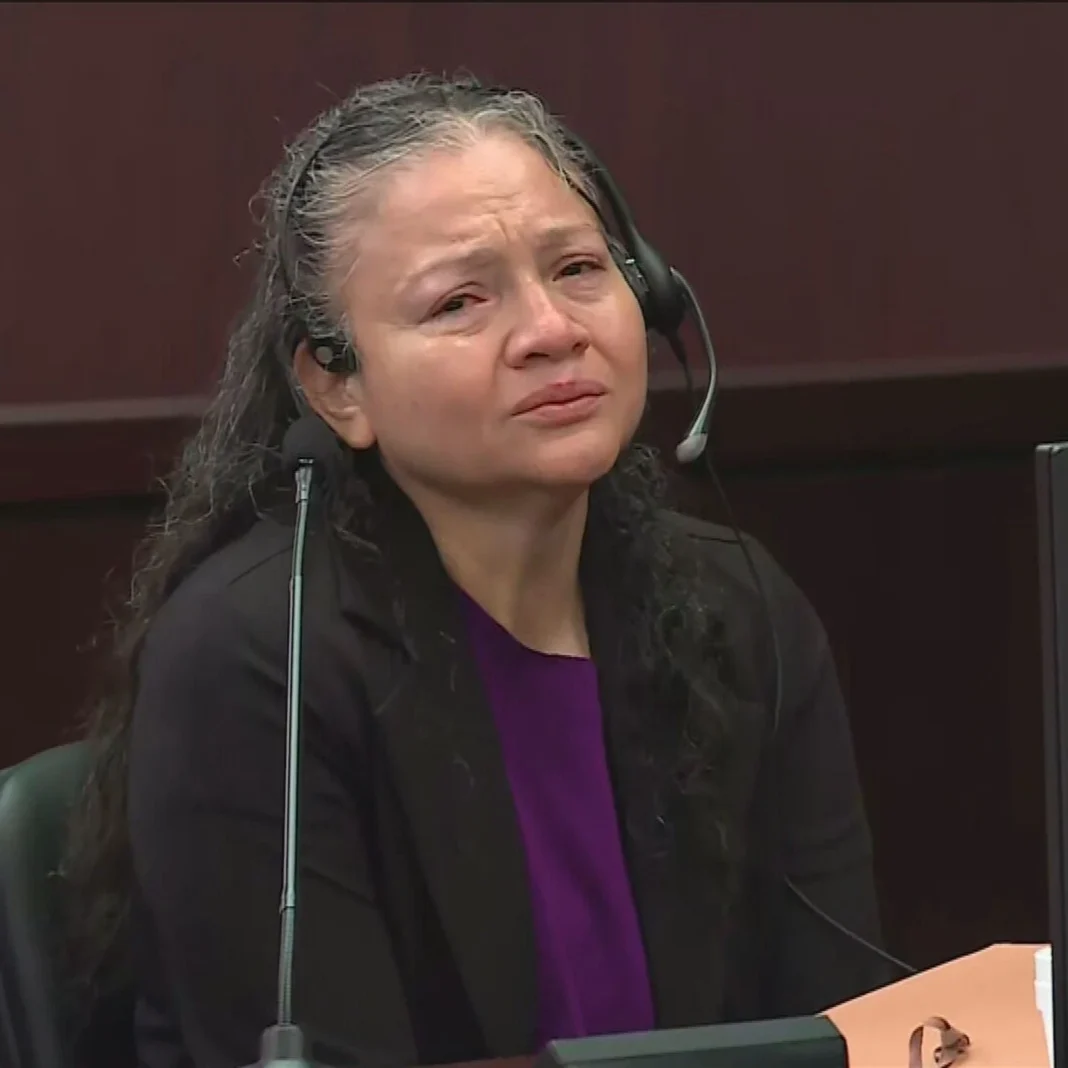
Carmen Mejia, the 32-year-old Honduran mother who had been caring for the child along with her own four children, was charged with capital murder. She was convicted in 2005 and sentenced to life in prison. She would spend the next 22 years insisting she was innocent.
On March 9, 2026, Travis County District Court Judge P. David Wahlberg dismissed all charges and signed an order formally declaring Mejia “actually innocent.” Her exoneration came after the Texas Court of Criminal Appeals ruled in January 2026 that newly discovered evidence established her innocence on all three counts: felony murder, injury to a child, and injury to a child by omission.
Why the Case Raises Red Flags
Several features of the original prosecution illustrate how a tragic household accident was transformed into a murder conviction.
The Forensic Theory Was Built on a Certainty That Did Not Exist
At trial, prosecutors did not call a single medical burn expert. Instead, a medical doctor and a retired law enforcement investigator testified that the baby’s injuries could only have been caused by an adult intentionally holding him down in scalding water. That assertion became the foundation of the State’s entire case.
It was wrong.
Decades later, post-conviction experts, including a senior researcher from the Johns Hopkins Center for Injury Research and Policy and a former director of one of the nation’s leading trauma burn centers, testified that the injuries were consistent with an accidental scalding, and that water at 147.8 degrees could produce third-degree burns in seconds.
When the State’s original experts were shown the new evidence, they conceded they could no longer conclude the injuries were intentionally inflicted. The medical examiner who performed the autopsy formally amended the manner of death from homicide to accident.
Key Evidence Disappeared Before Trial
After the incident, investigators conducted video-recorded forensic interviews with Mejia’s children. Those recordings supported Mejia’s account that the burn was an accident.
The recordings then vanished from law enforcement custody before trial. The jury never saw them.
A Plumbing Defect Was Treated as Criminal Intent
The home Mejia rented was built before the 1980s, prior to building code revisions that require tap-level scald protections such as thermostatic mixing valves. Research presented in 2024 showed that older rental housing routinely lacks these protections, leaving tenants, who do not control water heater settings, exposed to dangerous tap temperatures.
What modern building science recognizes as a known hazard of older housing was, in 2005, recast for a jury as evidence of murder.
No History, No Motive, No Pattern
Mejia had no criminal history. The State presented no evidence of prior mistreatment or violence toward any child. She maintained her innocence consistently — at the scene, during the investigation, on the witness stand at trial, and for every one of the 22 years that followed.
Recent Developments Within the Last Two Years
The breakthroughs in the Mejia case came in a compressed window after more than two decades of stalled appeals.
- The Innocence Project Took the Case in 2021 – The organization began investigating Mejia’s claims, eventually building a record around modern burn science, plumbing safety, and the missing forensic interviews.
- Travis County’s Conviction Integrity Unit Agreed to Review the Case – The District Attorney’s office joined the reinvestigation, an essential step that gave the innocence claim institutional weight.
- Writ of Habeas Corpus Filed in 2024 – Over the course of a year, Judge Wahlberg held evidentiary hearings at which multiple experts contradicted the trial testimony point by point.
- The Court of Criminal Appeals Ruled “Actually Innocent” – On January 22, 2026, Texas’s highest criminal court found that the newly discovered evidence established Mejia was actually innocent of all three counts.
- Formal Exoneration in March 2026 – On March 9, 2026, Judge Wahlberg dismissed the indictment, ordered her released, and declared her innocent in open court as her three daughters embraced her for the first time in over two decades.
Key Questions and Systemic Issues
The Mejia case is not an isolated failure. It reflects a documented pattern that recurs in wrongful conviction cases across the country.
Caregiver Prosecutions Built on Forensic Overstatement
There is a recognized pattern in the criminal legal system of prosecuting caregivers, disproportionately women, and especially women of color, when a child in their care dies from an accident or undiagnosed medical condition. These cases often rely on expert testimony asserting a degree of certainty about cause and mechanism of injury that the underlying science does not support.
The Use of Non-Specialist Experts
The prosecution’s reliance on a general medical doctor and a retired investigator, rather than a board-certified burn specialist, to render a definitive opinion on the mechanism of a pediatric thermal injury raises the same concerns documented in other wrongful conviction cases involving shaken baby syndrome, abusive head trauma, and other contested pediatric forensic claims.
Lost or Withheld Exculpatory Evidence
The disappearance of recorded forensic interviews that supported Mejia’s account is a textbook failure of evidence preservation. Whether the loss was the result of misconduct or negligence, the effect was the same: the jury was deprived of corroborating evidence that pointed away from guilt.
Language and Access Barriers
Mejia is a native Spanish speaker who testified at trial through a translator. The courtroom bailiff who later helped reopen her case recalled watching her be silenced by her own defense attorney in Spanish immediately after she tried to explain herself to the victim’s father. Defendants who do not speak English as a first language face documented disadvantages at every stage of the criminal process.
Immigration Consequences After Exoneration
Although Mejia held Temporary Protected Status and lawful work authorization before her arrest, her conviction triggered an immigration detainer that very nearly resulted in her being transferred from state custody directly to federal detention. The Department of Homeland Security ultimately lifted the detainer following her exoneration. Many exonerees who are non-citizens are not so fortunate.
What Comes Next
- Compensation – Under Texas law, exonerees are eligible for $80,000 per year of wrongful imprisonment, plus an annuity. For Mejia, the calculation reflects more than two decades of lost time.
- Policy Implications – The case has renewed calls for stricter standards governing forensic testimony in pediatric injury cases, broader access to post-conviction review, and improved evidence preservation protocols.
- Family Reunification – Mejia’s four children were adopted by an Austin family shortly after her arrest. They did not see or hear from their mother again until prosecutors with the Conviction Integrity Unit began reexamining the case. The work of rebuilding those relationships is only beginning.
- Continued Review of Similar Cases – The Mejia exoneration follows the 2021 exoneration of Rosa Jimenez, another undocumented woman convicted of murder in Austin in 2003 under similar circumstances. The parallels suggest that other cases from the same era and jurisdiction warrant fresh examination.
Why This Case Matters
For an outlet dedicated to wrongful convictions, the Carmen Mejia case illustrates several core issues:
- A tragic accident reclassified as homicide by experts who overstated what the science could show
- Exculpatory evidence that disappeared from law enforcement custody before trial
- A defendant whose language, immigration status, and economic circumstances all worked against her at every stage
- Original trial experts who, when confronted with modern evidence, walked back their own certainty
- A 22-year delay between the wrongful conviction and the system’s acknowledgment that no crime had ever occurred
Carmen Mejia spent the best years of her adult life in prison for a death that the State now agrees was an accident, caused not by a mother, but by a water heater that the building code stopped allowing decades ago. Her case is a reminder that forensic certainty in the courtroom is not the same as scientific truth, and that the cost of confusing the two is measured in human lifetimes.
The case of Carmen Mejia calls attention to longstanding concerns about expert testimony in caregiver prosecutions, evidence preservation, and the systemic vulnerabilities faced by non-citizen and non-English-speaking defendants. It is a story that deserves continued scrutiny as similar cases come under review.