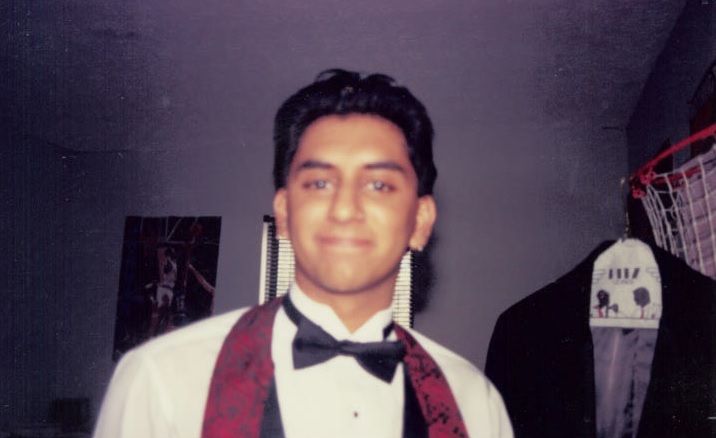
For more than two decades, Sonny Bharadia lived under the weight of a conviction secured in the late 1990s, built largely on eyewitness testimony that jurors were told was reliable.
In 2025, DNA testing told a different story.
The charges were dismissed. The conviction unraveled. A case once presented as certain became a cautionary example of how fragile courtroom certainty can be.
The Original Prosecution Theory
At trial, the State’s case centered on identification.
An eyewitness account placed Bharadia at the scene. Prosecutors argued that the witness had no motive to lie and ample opportunity to observe. The testimony was delivered with confidence. In many courtrooms, that is enough.
But eyewitness certainty is not synonymous with accuracy.
Decades of cognitive science research have shown that memory is not a recording device. It is reconstructive and vulnerable to suggestion, stress, lighting conditions, cross-racial dynamics, and post-event reinforcement. Once an identification hardens through photo arrays, lineups, or repeated affirmation, it can grow more confident over time, even if it was initially uncertain.
The jury never heard DNA evidence excluding Bharadia. At the time, testing either had not been completed, was not technologically available at current standards, or was not pursued with the rigor that modern forensic review now demands.
Instead, testimony carried the day.
The DNA Reexamination
Years later, advances in forensic science reopened the evidentiary record.
Biological material connected to the crime scene was subjected to modern DNA testing. The results excluded Sonny Bharadia as the source.
This was not a minor discrepancy. It was a direct contradiction of the prosecution’s original theory.
When biological evidence points away from the convicted individual, it forces a structural reckoning. The legal system is designed to value finality, but DNA does not negotiate with narratives. It either matches or it does not.
In Bharadia’s case, it did not.
Correcting the Record
Alongside the DNA findings, the reliability of the original eyewitness identification came under renewed scrutiny.
Courts today recognize factors that were once minimized:
- Suggestive lineup procedures
- Reinforcement from investigators
- Stress-induced memory distortion
- The confidence-accuracy disconnect
When viewed through this modern lens, the testimony that once anchored the conviction appeared far less stable.
The combined weight of DNA exclusion and weakened identification evidence made retrial untenable. In 2025, prosecutors moved to dismiss the charges.
After approximately 22 years, the conviction was erased.
Forensics on Trial
Bharadia’s exoneration illustrates something critical. DNA evidence does not simply free the innocent. It exposes systemic blind spots.
In many wrongful conviction cases, forensic evidence was either:
- Underutilized
- Overstated
- Misinterpreted
- Technologically premature
When science advances, it can reveal that what once passed as proof was in fact assumption layered onto uncertainty.
The justice system depends on human perception, but human perception is fallible. DNA testing, when properly preserved and objectively applied, introduces a form of evidentiary neutrality that eyewitness testimony cannot replicate.
The Cost of Delay
Twenty-two years is not a procedural footnote.
It represents lost time, careers halted, relationships strained, milestones missed. It reflects the difficulty of reopening cases once verdicts are entered. Post-conviction review often requires extraordinary persistence, legal advocacy, and access to preserved biological evidence.
Many defendants never obtain that opportunity.
Bharadia did.
His case stands as both vindication and warning. It is vindication that scientific truth can eventually surface. It is a warning that reliance on uncorroborated eyewitness testimony can produce catastrophic error.
The Larger Implication
The power of DNA is not merely technical. It is corrective.
It reminds courts that certainty must be earned, not assumed. It demonstrates that evidence must withstand not just trial scrutiny, but time.
Sonny Bharadia’s conviction was once presented as resolved. In 2025, it became an example of why the pursuit of justice cannot end at verdict.
DNA did what the system initially did not. It asked whether the right person had been convicted.
And it answered.