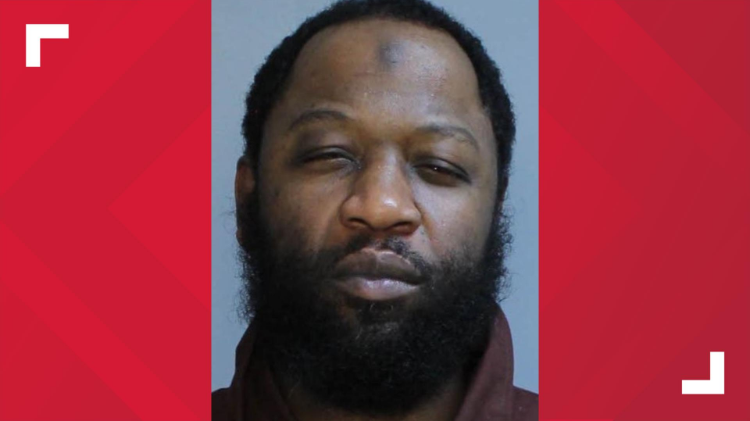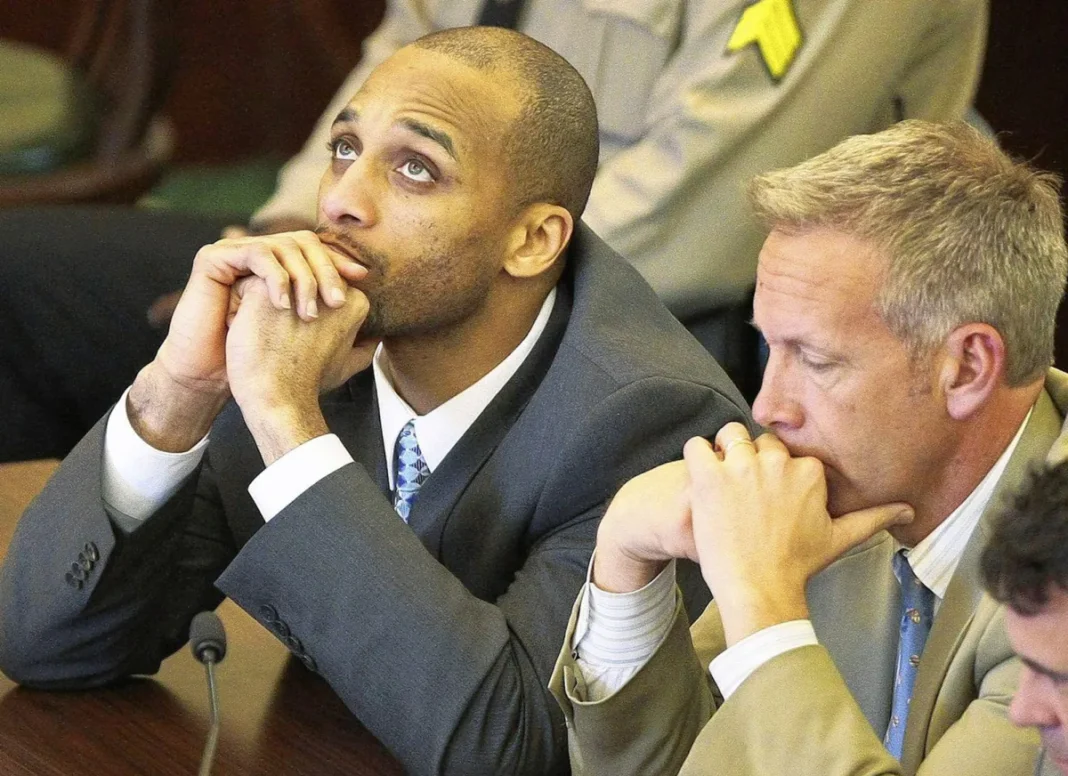
In a packed Pitt County courtroom, a former basketball player once convicted of double murder waits to learn whether his case will be retried. Supporters of James Richardson, sentenced in 2011 to life without parole for the 2009 drive-by killings of Andrew Kirby and Landon Blackley, say new evidence and witness inconsistencies undermine the verdict. Prosecutors insist the jury got it right the first time.
The current hearings in Greenville, North Carolina, revolve around a single, haunting question that cuts to the core of America’s justice system: what happens when the story told in court years ago no longer aligns with the evidence as it stands today?
A Case Built on One Narrative
The state’s theory was straightforward but circumstantial. After a fight outside a downtown nightclub on June 9, 2009, Richardson allegedly left the area, returned in a white BMW, and opened fire from inside the car. Two men were killed.
At trial, the prosecution emphasized Richardson’s height—6 feet 7 inches—and argued that the silhouette on grainy surveillance footage matched his build. Multiple witnesses placed a white BMW at the scene, and one man, Vidal Thorpe, claimed he saw Richardson’s arm extending from the driver’s window, firing a gun.
There was no confession, no direct forensic link tying Richardson to the weapon, and no prior criminal record. The verdict hinged on human perception: what one man said he saw, and what jurors believed those fuzzy images showed.
The Witness Who Changed His Story
Eight years after the conviction, the defense obtained a 2017 interview with Thorpe that appeared to complicate the narrative. In that interview, Thorpe stated that he saw an arm with a gun emerge from a rear passenger window—not the driver’s. He recalled that three or four people were in the car, not one.
For Richardson’s defense, this was a seismic shift. If the driver was not the shooter, and if others were present, the entire theory of a solo gunman collapses. Defense attorneys now argue that this later account directly contradicts Thorpe’s trial testimony and raises reasonable doubt about Richardson’s guilt.
Prosecutors counter that the defense is cherry-picking language from a long conversation and that Thorpe never actually recanted—merely expressed uncertainty years later. They insist that the jury’s verdict, affirmed on appeal, remains supported by the totality of evidence.
At the recent evidentiary hearing, the defense requested that Thorpe be questioned under oath about what he remembers today—whether his trial account was mistaken, and whether pressures at the time may have influenced his certainty.
When Memory Shifts, Justice Is Tested
Courts are often cautious about recantation claims. Memory is fragile, and over time, witnesses may unconsciously reshape their recollections. Yet a witness does not need to formally “recant” for a judge to question the reliability of their trial testimony. The test is whether the new version, if believed, could have changed the verdict.
Psychological studies show that eyewitness confidence at trial often does not correlate with accuracy. Factors such as lighting, stress, and post-event discussions can distort what people think they saw. In Richardson’s case, the original identification was made under chaotic nighttime conditions, following a fight and amid flashing lights and fleeing crowds—conditions ripe for perceptual error.
If Thorpe’s newer statements are found credible, they could shift the foundation of the case. If the court finds the inconsistencies too ambiguous or attributable to fading memory, the conviction may stand.
Forensics and the Physics of Gunfire
Beyond the eyewitness question, the defense has targeted the forensic and video evidence used at trial. Two experts, brought in during post-conviction proceedings, reviewed ballistic patterns, casing placement, and trajectory data.
Their reconstruction suggested that if a tall driver had fired from inside the car, spent shell casings should have landed inside the vehicle. Instead, every casing was found outside on the street—consistent with a rear passenger firing outward through an open window.
The defense also alleges that the surveillance video shown to jurors was a degraded, low-quality copy. Modern enhancement techniques, they argue, could clarify whether multiple occupants were visible in the BMW. If the original trial jury relied on an inferior copy that obscured key details, their perception of who was in the car could have been significantly skewed.
Prosecutors have pushed back firmly, calling the defense’s claims a “rehash” of issues already litigated. They argue that forensic uncertainties were presented to the jury and that no new evidence fundamentally changes the analysis.
A Community Divided and Watching
Richardson’s case has become a flashpoint in Greenville. The recent hearing drew supporters holding signs outside the courthouse, joined by families who have fought their own battles against questionable convictions in Pitt County.
Advocates cite a pattern of local reversals in cases where witness reliability or investigative shortcuts later came to light. They say Richardson’s case fits that troubling mold—an early suspect focus, limited physical evidence, and an overreliance on one confident witness.
Prosecutors, however, stress that the jury heard all sides, that appellate courts affirmed the outcome, and that re-opening long-settled verdicts undermines finality and community trust.
The courtroom atmosphere remains tense but sober—a reminder that post-conviction hearings are not just legal exercises, but tests of faith in the justice process itself.
How Wrong Conclusions Take Root
Richardson’s case exemplifies several recurring variables that can distort criminal outcomes:
-
Eyewitness fallibility: memories degrade and confidence can mask uncertainty.
-
Video misinterpretation: low resolution and poor lighting can fuel false certainty.
-
Forensic oversimplification: assumptions about shell-casing behavior can mislead.
-
Investigative pressure: in high-profile killings, officers face public demand for swift arrests.
-
Confirmation bias: once a suspect is identified, evidence is unconsciously filtered through that lens.
Each factor alone might be manageable. Combined, they create a powerful current steering investigations toward a conclusion that may not reflect the truth.
Awaiting Judgment
The presiding judge has requested proposed orders from both sides before issuing a ruling. The decision will likely turn on how the court evaluates three things:
-
The credibility and materiality of Thorpe’s post-trial statements,
-
The scientific validity of the defense’s ballistic reconstruction, and
-
Whether the trial record, taken as a whole, still inspires confidence in the verdict.
Whatever the outcome, appeals are expected. For now, Richardson remains incarcerated, serving two consecutive life sentences. His supporters maintain that this hearing represents his first real chance at justice since 2011.
The Broader Lesson
When convictions rest heavily on eyewitnesses and contested technical evidence, even subtle new information can shake confidence in the result. Courts face a delicate balance—honoring jury verdicts while guarding against wrongful convictions that erode public faith.
Richardson’s case is not about absolutes. It is about doubt, process, and accountability—about whether the system that condemned him is willing to reexamine itself when evidence shifts.
The broader truth is that the U.S. legal system, for all its safeguards, remains vulnerable to the imperfections of human perception and procedural momentum. Correcting those flaws requires transparency, humility, and a willingness to revisit even the most uncomfortable questions.