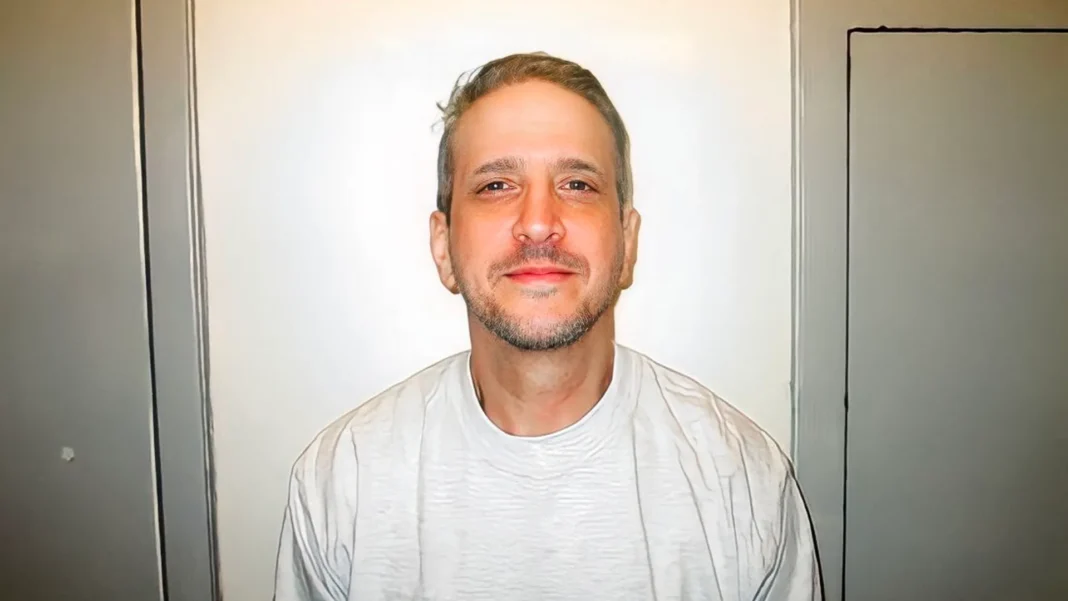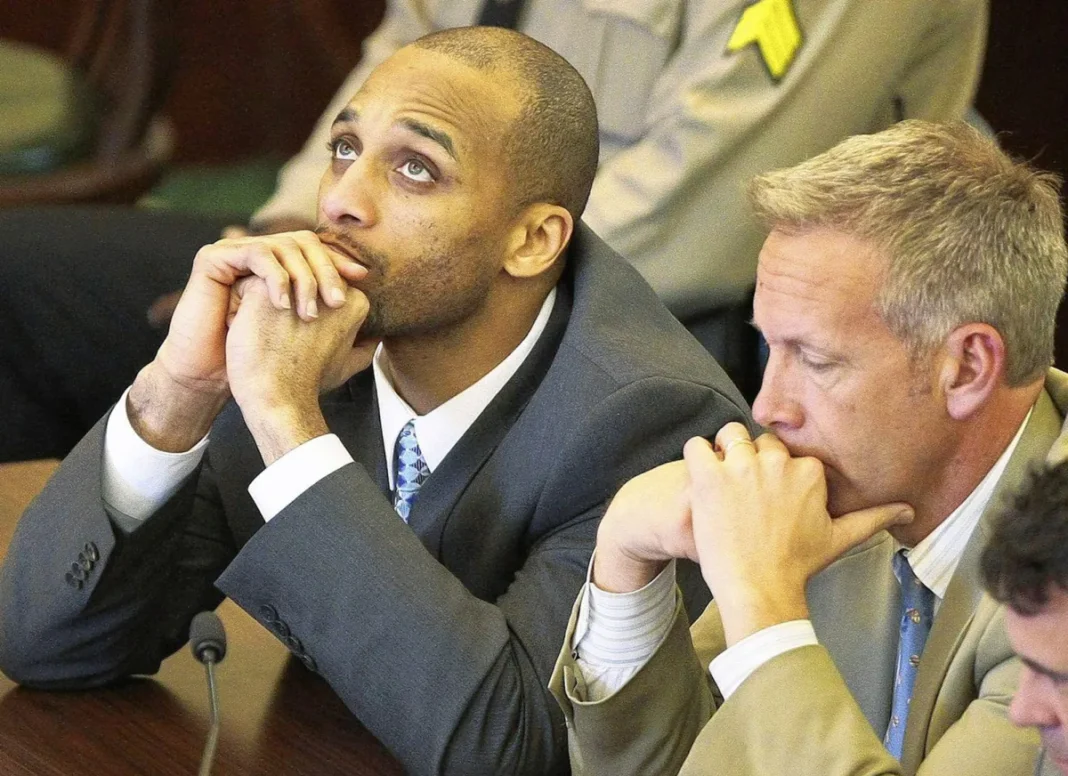
In 2015, Eddie Williams was convicted of homicide and related offenses for the 2014 killing of Marcus Ortiz in Lebanon County, Pennsylvania. The state’s theory described Williams and two relatives as conspirators in a robbery that turned deadly. But years later, a federal court found that the trial judge’s comments to jurors—particularly references to a co-defendant’s guilty plea—crossed a constitutional line. In 2022, the conviction was vacated. Williams, now a decade into incarceration, is awaiting a new trial scheduled tentatively for February 2025.
For Williams, the reversal represents both vindication and uncertainty. The legal system has admitted error, but the path forward remains fraught with obstacles that mirror broader systemic problems: inconsistent access to discovery, the difficulties of obtaining effective counsel while confined, and the enduring power of prejudicial narratives that can color jurors’ perceptions long before deliberations begin.
A Fatal Comment from the Bench
At the heart of the federal ruling was a single, consequential moment in the 2015 trial. During instructions to the jury, the judge referenced that Williams’s cousin had pled guilty as a co-conspirator and accomplice. The statement was framed as context, but its implications were unmistakable: if one family member had admitted to conspiring, then others might well be guilty too.
Federal courts have long cautioned that judicial comments perceived as endorsing the prosecution’s version of events can erode a defendant’s right to an impartial jury. In Williams’s case, the trial court’s language was deemed so prejudicial that it “infected the fairness of the proceeding.” The message to jurors—however unintended—was that guilt was already established by association.
The decision to vacate the conviction rested on this principle of due process: that every defendant is entitled to a presumption of innocence untainted by judicial influence or the shadow of another’s plea.
A Retrial in Limbo
After the reversal, the Lebanon County District Attorney’s Office prepared to retry the case. But as 2025 approaches, logistical challenges have mounted. Williams, still incarcerated, has struggled to secure consistent legal representation and adequate access to the discovery materials necessary to build his defense.
Court filings show multiple requests for updated case files, digital evidence, and transcripts—requests that have been slowed by institutional bottlenecks. Defense teams often depend on direct client communication to test witness credibility, explore alternative theories, and reconstruct timelines. When communication and document access are restricted, even routine preparation becomes an uphill battle.
The court has tentatively set February 24, 2025 as the new trial date, while urging resolution of counsel and discovery issues. But for a case already nearly a decade old, the delays underscore a familiar tension between the state’s duty to proceed and a defendant’s right to be fully prepared.
The Fragile Line Between Fairness and Perception
The Williams case highlights a recurring structural pressure in criminal trials: the subtle cues that can sway juries even when evidence is ambiguous. Studies in jury behavior consistently show that when jurors hear that a co-defendant has pled guilty, they interpret it—consciously or not—as confirmation of a shared plan.
In Pennsylvania and beyond, appellate courts have reversed convictions when prosecutors or judges imply that a co-defendant’s plea implicates the accused. But such reversals are rare, often requiring a finding that the error was “structural”—that is, so deep-rooted it cannot be deemed harmless.
In Williams’s trial, the instruction appeared to endorse the prosecution’s version of a coordinated robbery plan. Yet the forensic links between Williams and the shooting itself were thin. The state’s case rested heavily on statements and circumstantial associations rather than direct physical evidence.
At retrial, those evidentiary weaknesses will likely be back under the microscope.
Evidentiary Crossroads: What Will the Jury Hear This Time?
Prosecutors are expected to reassert their theory that Williams participated in planning a robbery that resulted in Ortiz’s death. Key issues likely to dominate the retrial include:
-
Co-defendant testimony and credibility: Whether prior statements by those who pled guilty can be used, and under what limitations.
-
Flight and pursuit evidence: The weight jurors should give to alleged flight behavior, often cited as consciousness of guilt.
-
Forensic connections: Whether any physical or ballistic evidence actually links Williams to the scene or the weapon.
-
Role definition: Whether the state can establish that Williams had advance knowledge of a plan to commit robbery, rather than being drawn into events after the fact.
Each of these questions requires precise, neutral instruction from the bench. Any hint of endorsement—whether in tone or phrasing—could again jeopardize the trial’s fairness.
Access and Inequality in the Defense Process
The struggle to prepare for retrial underscores a broader systemic inequity. Defendants awaiting retrial after reversal often face institutional inertia: limited access to discovery, slow turnover of legal materials, and difficulties in scheduling attorney visits.
Pennsylvania’s county-level structure compounds this problem. While prosecutors retain access to evidence archives and police files, incarcerated defendants depend on strained public defender budgets or appointed counsel who may inherit years of incomplete documentation.
Legal scholars have described this as a “post-reversal disadvantage”—a period where defendants technically have a second chance, but practically face a diminished one. Without timely access to discovery, the promise of a fair retrial risks becoming procedural formality.
Systemic Lessons Beyond One Case
Williams’s reversal illustrates how fragile the constitutional safeguards of a trial can be. A few words from a judge, meant to clarify, instead conveyed a subtle but powerful message of guilt. That message, carried into jury deliberations, was enough to unravel a conviction years later.
But the case also spotlights something deeper: how the same system that acknowledges error often fails to repair its own consequences efficiently. The gap between legal principle and practical access remains wide.
Ensuring fairness requires more than a retrial order—it demands equal footing in preparation, neutral judicial conduct, and the resources to test every piece of the state’s narrative.
The Road Ahead
As of fall 2025, Williams’s defense team continues to seek full access to discovery and confirmation of appointed counsel before the February retrial. No plea resolutions have been announced, and the federal reversal remains the most recent major development on record.
For the public, the case stands as both caution and reminder. Wrongful convictions do not always stem from fabricated evidence or overt misconduct. Sometimes they arise from subtler pressures—judicial phrasing, interpretive bias, uneven resources—that quietly tip the scales.
A new trial offers a chance to correct course, but only if the process itself honors what the Constitution promises: an impartial tribunal, full confrontation of the evidence, and equality before the law.