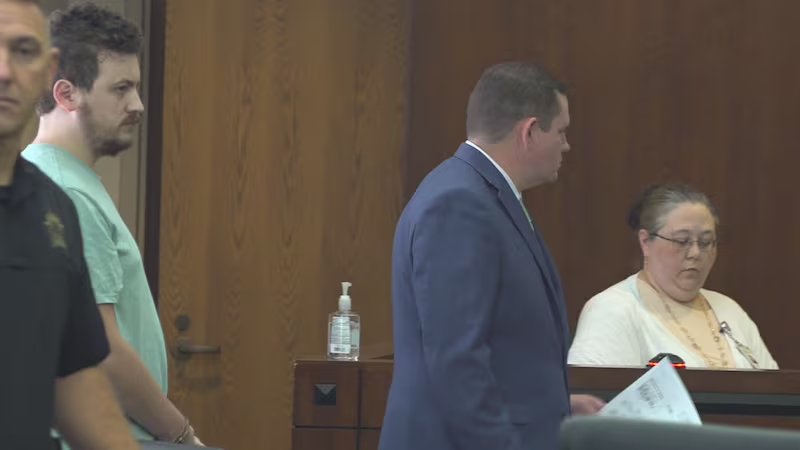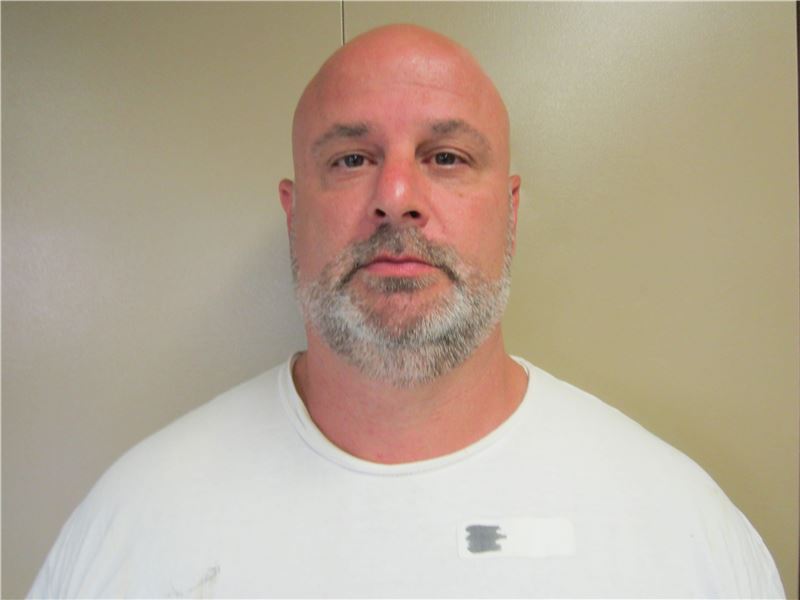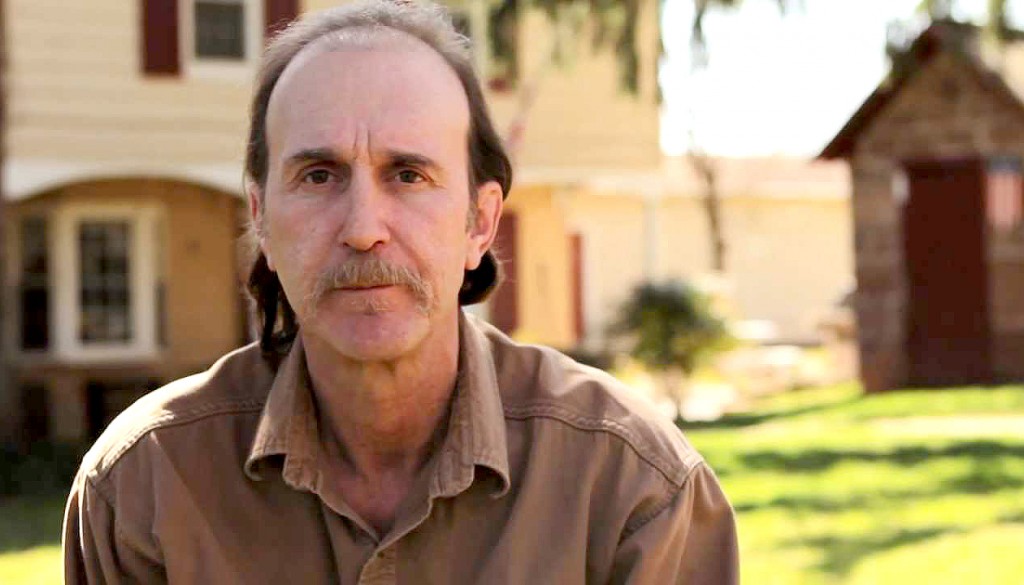
On the morning of Dec. 29, 1991, 36-year-old night manager Kim Ancona was found dead in the men’s restroom of the Phoenix bar where she worked. She’d been stabbed; there was blood, saliva, and patterned injuries on her breast and neck that police interpreted as human bite marks. Within days, investigators zeroed in on a familiar patron, Ray Krone, after hearing he might have helped close the bar the night before. With no eyewitnesses, no murder weapon, and no probative serology linking him to the crime, the case rose and fell on bite-mark comparison. In 1992, a jury convicted Krone of murder and kidnapping, he was acquitted of sexual assault, and he was sentenced to death plus 21 years.
What went wrong in the lab and in court
1) Bite-mark “identification” stood in for science
At trial, state experts told jurors that impressions of Krone’s teeth “matched” the bite marks on Ancona, a claim presented as individualized identification. That framing is now known to exceed what the discipline can responsibly assert. The National Institute of Standards and Technology (NIST) has since concluded that the core premises of bite-mark analysis, uniqueness of dentition, reliable transfer to skin, and accurate interpretation, lack sufficient empirical support. In plain English: skin is a poor recording medium, different examiners often disagree, and error rates are high.
Professional standards have moved accordingly. Since 2016, the American Board of Forensic Odontology (ABFO) no longer permits “exact match” or source-attribution language; the strongest permissible conclusion is typically that a person is “not excluded.” Jurors in 1992 and again in 1996 did not hear their case evidence filtered through those stricter limits.
2) A discovery violation supercharged the state’s star exhibit
Arizona’s Supreme Court reversed Krone’s first conviction because the prosecution revealed a dramatic comparison videotape by its lead odontologist on the eve of trial, too late for the defense to prepare a rebuttal. The court called the bite-mark evidence “critical” and the videotape the “centerpiece” of the state’s case; it held the discovery breach was prejudicial in a capital trial and ordered a new one.
Impact: The late-disclosed video did more than visualize complex testimony; it anchored the state’s narrative. Visual aids often carry outsized persuasive power with juries. When they arrive at the 11th hour, the defense can’t meaningfully replicate, test, or challenge them, especially in a death-eligible case.
3) The forensic vacuum around everything but the bite marks
Crime-scene serology didn’t implicate Krone. No DNA tests were performed before trial, and the limited blood/saliva typing pointed to a common profile. Nor was there a confession, a reliable eyewitness, or physical evidence like fingerprints tying Krone to the restroom. In effect, a single, unvalidated forensic technique substituted for a case.
Innocence Project
4) What later science and testing showed
In 2002—after Krone had served more than 10 years, including over two on death row, DNA testing on saliva and blood from the victim excluded him and identified another man, Kenneth Phillips, who lived near the bar and was then imprisoned for an unrelated sex offense. The state dismissed charges against Krone on April 24, 2002; Phillips was later convicted and sentenced to 53-years-to-life.
Systemic failures that made a wrongful conviction likely
Tunnel vision and suspect fixation
From the moment Krone’s name surfaced, the investigation appears to have organized itself around proving he fit the bite marks rather than testing whether the bite marks could reliably identify anyone at all. Case materials and subsequent accounts describe “target fixation” and the overlooking of alternative leads, including the man DNA later identified. The danger isn’t simply picking the wrong suspect, it’s how every downstream choice (what to test, who to interview, what to disclose, which experts to hire) starts to reinforce that initial pick.
Asymmetric resources and the power of experts
Krone’s appointed counsel fought a capital case against seasoned prosecutors and credentialed dental experts. The defense lacked time and funds to recreate sophisticated demonstratives after the state’s late disclosure, and the trial judge refused a meaningful continuance. Arizona’s high court recognized this imbalance and the specific prejudice in a death case, but only after a conviction and death sentence were already in place.
Weak forensic governance in the 1990s
Courts allowed bite-mark “identification” testimony long before the field set methodological guardrails or quantified error. The problem wasn’t unique to odontology. The National Academy of Sciences’ 2009 report later warned that, except for nuclear DNA, many forensic techniques lacked rigorous validation and known error rates, even as they routinely carried the aura of science in courtrooms. Krone’s trials exemplify how that gap can become a life-or-death flaw.
Discovery culture and Brady/Rule 15 failures
Krone’s reversal turned on a narrow discovery issue, the prosecution’s late disclosure of the bite-mark video. But the larger lesson is cultural: when prosecutors treat timely disclosure as a tactical choice instead of a constitutional and ethical baseline, especially in capital litigation, the trial’s truth-seeking function collapses. Arizona’s Supreme Court was explicit that, absent the bite-mark evidence, “there likely would have been no jury-submissible case.” The state’s decision to debut a powerful exhibit at the last minute all but guaranteed unfairness.
The forensic bottom line
- Bite-mark comparison cannot individualize a suspect to a mark on skin with scientific reliability. The best the field now allows is cautious, exclusionary language, and even “not excluded” is fraught on human skin.
- Visual demonstratives magnify weak science. The prosecution’s comparison video, disclosed on the eve of trial, was pivotal, and prejudicial.
- DNA is the corrective brake. When finally used, it exonerated Krone and identified Phillips, highlighting how definitively probative methods were displaced by a seductive but unsound technique.
Reform agenda: preventing the next Ray Krone
- Prohibit source-attribution claims in bite-mark testimony; limit opinions to clearly bounded exclusionary statements, with explicit error-rate warnings and skin-distortion caveats. Codify the ABFO’s restrictive language into evidence rules, not merely professional guidelines.
- Gatekeeping with real science. Trial judges should demand documented validation studies, published methods, proficiency testing, and known error rates for any pattern-matching discipline, as urged by the NAS and reinforced by NIST’s findings on odontology.
- True discovery compliance with teeth. Automatic sanctions for late disclosure of expert exhibits in serious felonies, preclusion absent a defense-requested continuance. Arizona’s high court has already articulated proportional sanctions in Krone’s case; codify that principle.
- Mandatory alternative-suspect protocols. When a case rests on a single, contested forensic technique, agencies should be required to document alternative-suspect canvassing and to test available biological evidence early. DNA testing should be presumptive whenever biological material exists.
- Blind verification and defense access. For any comparative forensic conclusion, require double-blind, independent review; provide the defense with raw notes, images, and full-resolution media early enough to replicate or rebut.
- Post-conviction science review units. Establish standing panels to revisit convictions secured with techniques later deemed unreliable or significantly narrowed (including bite-mark identification), and to trigger DNA testing where it was previously unperformed or inconclusive.
The cost of being wrong
On April 8, 2002, Ray Krone walked out of prison; on April 24, 2002, prosecutors dismissed the charges. He had lost a decade, much of it under a death sentence, to a prosecution built on an exhibit the Arizona Supreme Court said should never have reached the jury as it did, and on a forensic method that modern science says can’t do what jurors were told it could. The same DNA that cleared him identified the actual perpetrator, Kenneth Phillips, who is now serving a lengthy sentence. The system did not correct itself; science and persistence did.