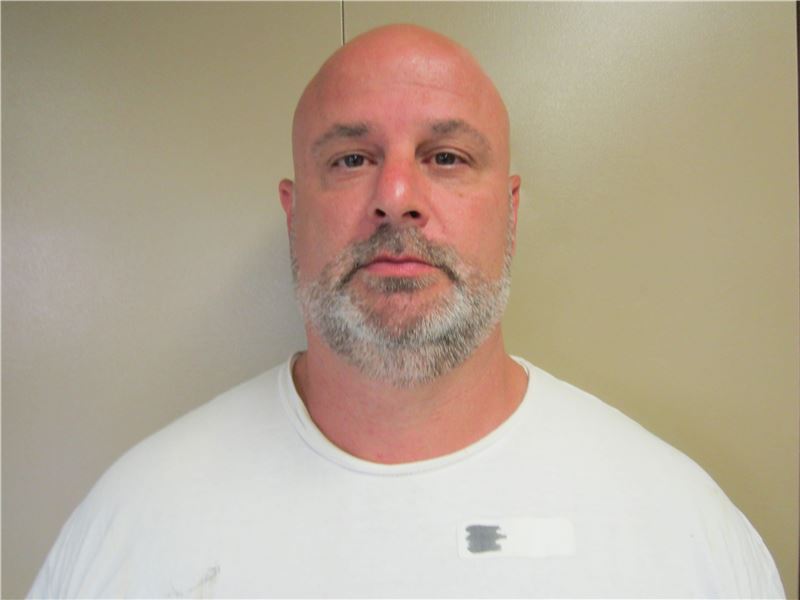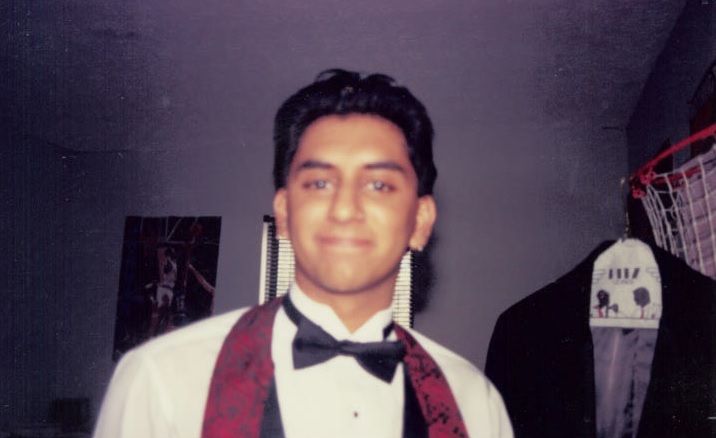
In 1996, a murder shook a community. Within months, investigators believed they had their man: Frank Drew. Prosecutors presented a case they described as solid. A jury convicted him. And just like that, Drew began serving what would become nearly a quarter century behind bars for a crime he did not commit.
In March 2024, that conviction was vacated. The State declined to retry the case. The charges were dismissed.
Twenty-four years had already passed.
The Anatomy of a Wrongful Conviction
Drew’s case reflects a pattern seen repeatedly in wrongful prosecutions across the country: early investigative certainty, fragile evidence hardened into courtroom fact, and years of procedural resistance to reconsideration.
Like many convictions from the mid-1990s, the case rested heavily on the prosecution’s narrative coherence rather than unimpeachable forensic proof. Once that narrative took hold, alternative theories narrowed. Contradictions became peripheral. The system moved forward with confidence.
But confidence is not the same as certainty.
Over time, cracks emerged. Post-conviction litigation exposed weaknesses that had either been minimized or overlooked. Questions arose about evidentiary reliability and whether the jury had been presented with a complete and accurate picture. As appeals progressed, what once appeared settled began to look less secure.
The legal fight was not swift. It stretched across decades—motions, denials, renewed petitions. Each step required overcoming procedural barriers that favor finality over re-examination.
The Cost of Finality
The criminal justice system places enormous weight on final verdicts. Once a conviction is entered, the burden shifts almost entirely to the defendant to prove error—often years after memories have faded and evidence has deteriorated.
In Drew’s case, that burden lasted 24 years.
By the time the conviction was vacated in 2024, the damage could not be undone. The state ultimately chose not to retry the case, a decision that speaks volumes. When prosecutors decline to pursue a retrial after a conviction is set aside, it frequently signals that the evidentiary foundation can no longer sustain proof beyond a reasonable doubt.
Yet the dismissal does not erase the years lost.
A System Under Strain
Wrongful convictions are rarely the product of a single mistake. They are more often the result of cumulative pressures:
- The urgency to close serious cases quickly
- Overreliance on contested or circumstantial evidence
- Limited disclosure of potentially exculpatory material
- Appellate standards that make reversal exceptionally difficult
When these forces converge, the presumption of innocence can erode long before trial, and remain absent long after.
Drew’s exoneration adds to a growing body of cases demonstrating that time does not validate a conviction. It simply buries scrutiny beneath procedural hurdles.
The Broader Question
What does justice mean after 24 years?
Exoneration restores legal status. It does not restore youth, family milestones, career opportunities, or the ordinary arc of life interrupted by imprisonment. Nor does it fully account for the institutional resistance that so often greets post-conviction claims.
Cases like Frank Drew’s compel a harder conversation: not just about individual error, but about structural safeguards. How many convictions rest on similar evidentiary weaknesses? How many defendants lack the resources to wage a decades-long fight?
A conviction vacated after nearly a quarter century is not merely a personal tragedy. It is a systemic indictment of how difficult it remains to correct mistakes once the machinery of prosecution has moved forward.
Frank Drew walks free today.
The larger question is whether the system that confined him for 24 years has meaningfully changed.