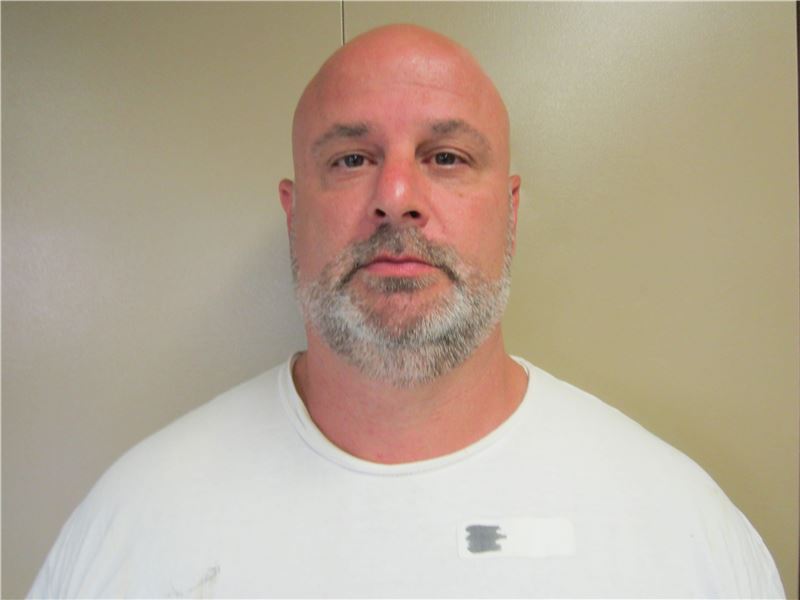
The Case at a Glance
In July 1988, 36-year-old Sharon Johnson, who was pregnant and employed as an engineer, was found stabbed and strangled at a rural construction site in Bedford, New Hampshire. More than a year later, in November 1989, 19-year-old Jason Carroll was interrogated and ultimately implicated through a confession that he later recanted.
Two others, Carroll’s coworker Tony Pfaff and Sharon’s husband Ken Johnson, were also charged in connection with the murder, but neither was convicted. Only Carroll was tried and found guilty. In 1992, he was convicted of second-degree murder and conspiracy to commit murder and was sentenced to 46 years to life.
Why the Case Raises Red Flags
Several factors raise serious concerns about the reliability of the conviction.
The Confession
Carroll’s confession followed a four-day interrogation. His mother, who was a Bedford police officer, was present at times. The confession shifted repeatedly and contained contradictions. Carroll recanted soon after.
Inconsistencies with Physical Evidence
- Carroll said he used a pocket knife with a blade about two and one-quarter inches long, yet the stab wound was approximately twice that size.
- He misidentified Sharon’s husband in a photo lineup.
- He claimed he was paid for the killing and used the money to buy a car stereo, but the stereo had been installed before the date he described.
No Physical Evidence Tied Him to the Crime
At trial, no physical or forensic evidence connected Carroll to the murder weapon or the location where Sharon was killed.
Mishandled and Lost Evidence
In late 2023 and early 2024, two boxes of long-forgotten evidence were found in a basement storage area previously used by the state Department of Justice. These boxes contained a knife, clothing with possible stains, cigarette butts from Sharon’s car, and the victim’s fingernail clippings.
None of these items had been tested for DNA during the original investigation. For nearly two years, the Attorney General’s office opposed post-conviction DNA testing, despite modern advances that could meaningfully clarify what happened.
Recent Developments Within the Last Year
The past year has produced the most significant progress in this case in more than three decades.
- The State Reversed Its Position on DNA Testing – In April 2024, the Attorney General’s office withdrew its opposition to DNA testing after resisting the request for more than a year.
- Discovery and Inventory of Evidence Boxes – The evidence discovered in late 2023 and early 2024 was cataloged and prepared for forensic processing. The materials included items directly associated with the victim and the crime scene.
- DNA Was Found on Previously Untested Items – In May 2025, the state laboratory confirmed the presence of DNA on multiple items, including the victim’s clothing, a pocket knife, cigarette butts, and the fingernail clippings. Full profiling is ongoing.
- Potential for Exoneration – If the DNA profiles exclude Carroll and identify another individual, the case could lead to the first murder exoneration in New Hampshire history.
Key Questions and Systemic Issues
The case highlights several systemic concerns that commonly appear in wrongful conviction investigations.
False Confession Vulnerability
Research shows that young suspects are more likely to provide false or unreliable confessions, especially when questioned for prolonged periods without counsel. Carroll was 19 and subjected to intense pressure.
Evidence Preservation and Access
The discovery of long-forgotten evidence raises questions about the chain of custody and whether the state followed proper evidence retention procedures.
Prosecutorial Resistance to Review
The initial argument by prosecutors that DNA testing would provide no useful information demonstrates how post-conviction review can be hindered by institutional defensiveness.
Delayed Relief in Decades-Old Cases
Carroll has spent more than 35 years in prison based on a confession that has long been viewed as unreliable and on a record with no corroborating physical evidence.
Impact on Victims and Families
Sharon Johnson’s family continues to grieve her loss while also confronting the possibility that the wrong person may have been imprisoned. The pursuit of truth requires sensitivity toward both the wrongfully accused and the families of victims.
What Comes Next
DNA Profiling – The next step is to develop full DNA profiles from the evidence and determine whether they match Carroll, unknown persons, or known individuals in national databases.
Court Review – When results are complete, the court will evaluate the chain of custody, admissibility, and the legal impact of the findings. Outcomes could include a new trial, vacatur of convictions, or further hearings.
Policy Implications – A confirmed wrongful conviction could prompt reforms in New Hampshire regarding evidence retention, interrogation practices, and access to post-conviction testing.
Public Scrutiny – The case has renewed public interest, including coverage by investigative podcasts and regional reporting, which may help ensure transparency moving forward.
Why This Case Matters
For an outlet dedicated to wrongful convictions, the Jason Carroll case illustrates several core issues:
- A vulnerable suspect providing a problematic confession
- A conviction lacking forensic support
- Evidence mishandled for decades
- Institutional resistance to reassessing past outcomes
- The possibility of righting a historic injustice
This case remains unresolved. DNA testing may provide clarity, or it may produce ambiguous results that require further analysis. Whatever the outcome, the process offers insight into how the justice system handles claims of innocence decades after the fact.
The case of Jason Carroll calls attention to longstanding concerns about interrogation methods, evidence handling, and the difficulty of overturning convictions years later. It is a story that deserves continued scrutiny and careful reporting as new facts emerge.